

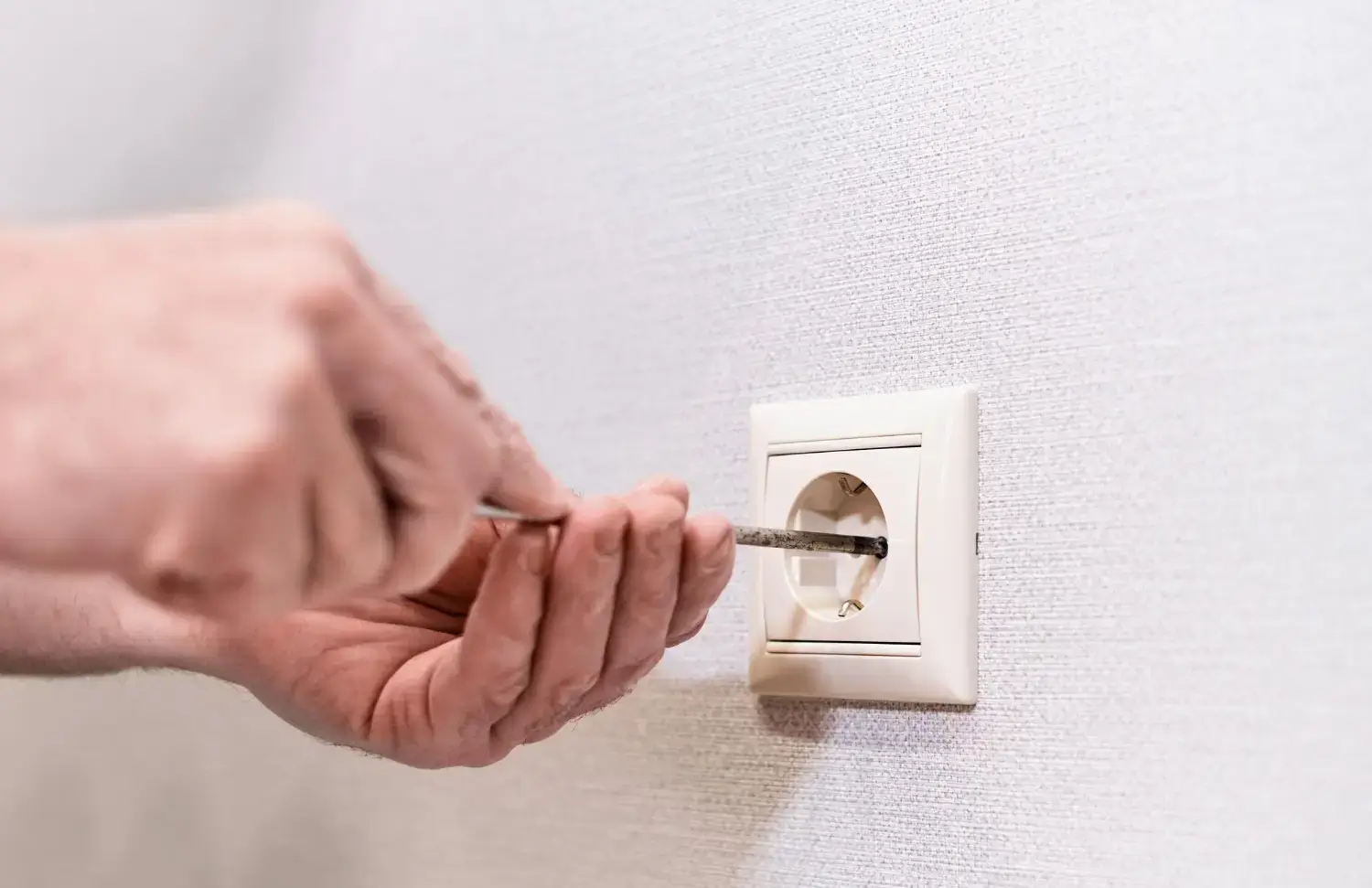
A power socket that suddenly stops working can interrupt your daily routine, especially when you need to charge your phone, operate household appliances or use essential electrical equipment. Sometimes the problem may involve a faulty appliance or plug. In other cases, it could indicate a damaged socket, loose wiring or an electrical circuit issue.
If your power socket is not working, it is important to understand the possible causes and recognise when professional assistance is needed. This guide explains common electrical socket problems in Singapore homes and businesses, along with important safety precautions.
An electrical socket may stop working because of several reasons, including a tripped circuit breaker, a faulty socket outlet, damaged wiring or an issue with the connected appliance.
Identifying the source of the problem is important before deciding on a repair. A socket that appears faulty may actually be affected by a problem elsewhere in the electrical circuit.
One possible reason for a non-working power socket is a tripped circuit breaker. Electrical circuits are protected by breakers that interrupt the supply when certain fault conditions occur.
If a breaker trips, some or all of the sockets connected to that circuit may stop working.
Possible causes include:
If a breaker keeps tripping, do not repeatedly reset it. Arrange a professional inspection to identify the underlying problem.
Read more about DB box and circuit breaker services in Singapore.
A power socket may stop functioning because its internal components become worn, damaged or defective over time.
Common warning signs include:
Damaged sockets should not continue to be used. A qualified professional can inspect the outlet and determine whether repair or replacement is required.
Sometimes the electrical socket is working correctly, but the connected appliance or power plug is defective.
A damaged plug, broken power cable or internal appliance fault may prevent electricity from reaching the equipment.
If you suspect an appliance is faulty, stop using it. Do not use damaged plugs or cables, and do not test suspicious equipment in other sockets.
Electrical connections inside a socket or elsewhere along the circuit may become damaged or deteriorate. This can cause intermittent power, complete loss of supply or overheating.
Warning signs may include:
Loose wiring can create serious electrical hazards. Never remove a socket cover or attempt to tighten internal connections yourself.
Connecting several high-power appliances to the same circuit may create excessive electrical demand. When the circuit exceeds its safe operating capacity, its protective breaker may trip.
Examples of appliances that can place significant demand on electrical circuits include:
An electrician can assess the circuit and determine whether the electrical load is appropriate for the installation.
Water entering a socket or electrical fitting can cause electrical leakage, short circuits and other dangerous conditions.
This may happen because of plumbing leaks, flooding, damp walls or water exposure near electrical installations.
Never touch a wet socket or attempt to dry and reuse it. Keep away from the affected area and arrange professional assistance. If there is immediate danger, move to safety and contact emergency services.
If several sockets stop working at the same time, the problem may involve a shared electrical circuit, distribution board or wider power supply issue.
For example, multiple outlets in different parts of a property may stop functioning because of a circuit fault rather than individual socket failures.
A professional electrical inspection can help identify where the interruption is occurring.
If a power socket stops working, follow these safety precautions:
If several power sockets stop working together, the cause may be related to the electrical circuit supplying those outlets.
Possible reasons include:
It is important not to assume that every affected socket needs replacement. The underlying circuit should be checked to determine the actual cause.
A power socket may need replacement if it is physically damaged, worn out, overheating or no longer operating correctly.
Some signs that may indicate a socket needs professional attention include:
However, replacing the socket alone may not solve the problem if the cause is damaged wiring or a circuit fault. The electrician should inspect the installation before deciding on the appropriate solution.
Learn more about light socket repair and installation services in Singapore.
Electrical socket problems can occur in HDB flats for several reasons, including worn fittings, damaged appliances, circuit faults and electrical installation issues.
Homeowners and residents should pay attention to recurring electrical problems, especially when multiple outlets stop working or circuit breakers trip repeatedly.
Electrical work in HDB properties should be carried out by appropriately qualified professionals and in accordance with applicable Singapore requirements.
Explore HDB electrical services in Singapore for more information.
Never insert tools into a socket, touch exposed wires or attempt to repair internal electrical connections. If you notice sparks, smoke, burning smells, unusual heat or water around an electrical outlet, keep away and seek urgent professional assistance. If there is a fire or immediate danger, contact emergency services.
Good electrical practices can help reduce the likelihood of avoidable socket problems.
The affected outlet may have a local fault, damaged connection or another issue. It may also be connected to a circuit with a problem that does not affect every socket. A professional inspection is needed to identify the cause.
This may indicate a problem with the circuit supplying that room, a tripped breaker or damaged electrical connections. The affected circuit should be inspected by an appropriately qualified electrician.
Yes. A faulty appliance may cause a protective device to trip, interrupting the power supply to the affected circuit. Stop using suspected faulty equipment and arrange an appropriate inspection.
A socket that becomes unusually hot may indicate a poor connection, excessive electrical load or damaged components. Stop using it and seek professional assistance. Do not touch or open the outlet.
Electrical socket replacement involves working with electrical connections and can expose you to dangerous voltages. Do not attempt DIY electrical repairs. Use an appropriately qualified professional who can inspect and carry out the work safely.
Arrange an inspection if a socket stops working repeatedly, feels unusually hot, makes abnormal sounds or shows signs of damage. Sparks, smoke and burning smells require urgent attention.
A power socket that stops working can be caused by a faulty outlet, damaged appliance, overloaded circuit, loose wiring or a problem with the electrical supply. Identifying the actual cause is important before carrying out any repair or replacement.
For persistent socket problems in Singapore homes and businesses, professional electrical troubleshooting can help identify the fault and determine the appropriate solution.
Visit the AVV Electrical website to explore electrical repair, troubleshooting and installation services in Singapore.
Categories: Electrical Troubleshooting, Electrical Safety, Electrical Repairs
Tags: power socket not working Singapore, faulty power socket, electrical socket repair Singapore, power point installation, HDB electrical problems, electrical troubleshooting Singapore, socket replacement Singapore

We are a reputable electrical services company based in Singapore, specializing in providing reliable and efficient emergency electrician services. Our team of certified electricians has years of experience in handling all types of electrical emergencies, ensuring that our clients receive prompt and effective solutions to their problems.
2026 AVV Electricals, All Rights Reserved.
We are a reputable electrical services company based in Singapore, specializing in providing reliable and efficient emergency electrician services. Our team of certified electricians has years of experience in handling all types of electrical emergencies, ensuring that our clients receive prompt and effective solutions to their problems.
Our Services

Singapore’s trusted EMA-licensed electrician — serving HDB, condo, landed & commercial properties 24/7.