

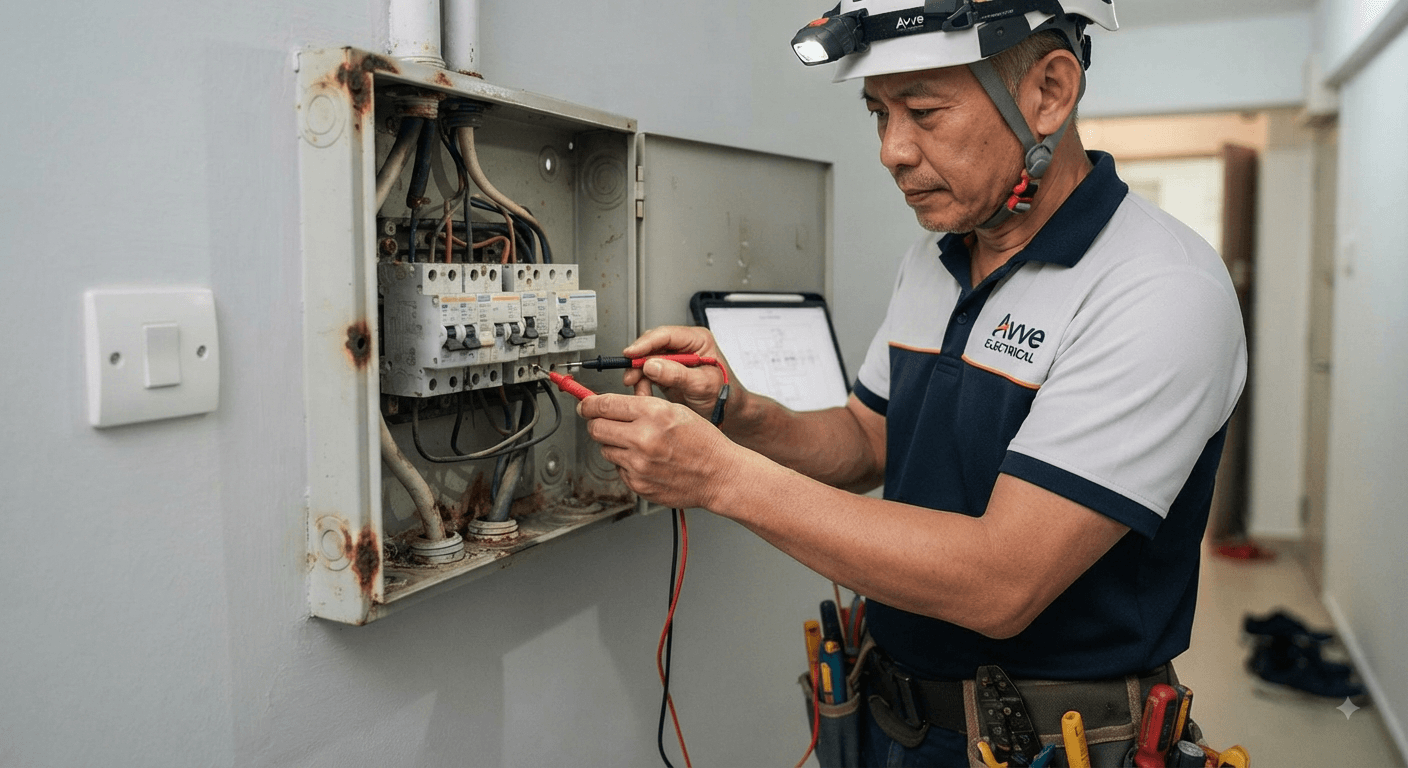
Electrical appliances and wiring are part of everyday life in Singapore homes. From air conditioners and refrigerators to lighting and power sockets, we depend on electricity for almost everything. However, overlooking basic electrical safety practices can increase the risk of electric shocks, equipment damage and electrical fires.
Many electrical problems begin with simple mistakes, such as overloading power sockets, using damaged cables or ignoring warning signs from electrical installations. Understanding these risks can help homeowners maintain a safer living environment.
In this guide, we explore seven common electrical safety mistakes in Singapore homes and explain how to avoid them.
1. Overloading Power Sockets and Extension Boards
One of the most common electrical safety mistakes is connecting too many appliances to a single power socket or extension board. High-power appliances such as heaters, microwaves and kettles can place significant demand on an electrical circuit.
Overloading may cause excessive heat, damaged plugs, tripping circuit breakers and potentially dangerous electrical conditions.
How to avoid it:
- Avoid connecting multiple extension boards together.
- Check the rated load of extension boards before use.
- Do not exceed the electrical capacity of a socket or circuit.
- Use suitable power outlets for high-power appliances.
- Ask a qualified electrician to assess your electrical supply if you regularly need additional sockets.
2. Ignoring Damaged Electrical Cables and Plugs
Damaged cables, cracked plugs and exposed wires can create serious electrical hazards. Cables may become damaged through regular use, bending, pulling, pinching under furniture or exposure to heat.
Using damaged electrical equipment can increase the risk of electric shock, overheating and short circuits.
How to avoid it:
- Inspect appliance cables and plugs regularly.
- Stop using equipment with exposed wires or damaged insulation.
- Never repair damaged cables with ordinary adhesive tape.
- Replace faulty plugs and cables through a qualified professional where necessary.
- Keep electrical cables away from hot surfaces and sharp edges.
3. Using Electrical Appliances Near Water
Water and electricity are a dangerous combination. Using electrical appliances near sinks, bathrooms or wet kitchen surfaces can increase the risk of electric shock.
Even small amounts of moisture around electrical sockets, switches and appliances can create unsafe conditions.
How to avoid it:
- Keep electrical appliances away from wet areas.
- Never touch plugs or switches with wet hands.
- Do not use electrical appliances with wet cables or connectors.
- Keep sockets and electrical equipment protected from water splashes.
- If water enters an electrical socket or installation, avoid touching it and arrange a professional inspection.
4. Ignoring Frequent Circuit Breaker Trips
A circuit breaker is an important safety device that helps protect electrical circuits when an abnormal condition occurs. Frequent tripping may indicate an overloaded circuit, faulty appliance, short circuit or wiring problem.
Repeatedly resetting a circuit breaker without identifying the cause can leave an underlying electrical problem unresolved.
How to avoid it:
- Pay attention to repeated breaker trips.
- Disconnect appliances if you suspect one may be faulty, provided it is safe to do so.
- Do not force a breaker to remain switched on.
- Avoid repeatedly resetting a breaker that trips again.
- Arrange an inspection by a qualified electrician to identify the cause.
Learn more about DB box and circuit breaker installation and replacement services in Singapore.
5. Attempting DIY Electrical Repairs Without Proper Knowledge
Trying to repair electrical wiring, sockets or distribution boards without the necessary training can be dangerous. Incorrect connections and unsuitable components may create hidden electrical faults.
Electrical work should be handled by appropriately qualified personnel. Homeowners should avoid opening electrical panels, modifying wiring or attempting repairs while the power supply is connected.
How to avoid it:
- Do not attempt electrical wiring repairs without the required qualifications.
- Never work on live electrical circuits.
- Use suitable, approved electrical components.
- Engage an appropriately qualified electrician for electrical installation, repair and replacement work.
6. Ignoring Flickering Lights and Burning Smells
Flickering lights, buzzing sounds, discoloured sockets and burning smells should never be ignored. These symptoms may indicate loose connections, damaged wiring, overloaded circuits or faulty electrical components.
Although occasional flickering can have different causes, persistent or unusual changes in electrical performance should be investigated.
Warning signs to watch for:
- Lights that flicker frequently or become unusually dim.
- Burning smells near switches, sockets or electrical panels.
- Buzzing or crackling sounds from electrical fittings.
- Power sockets that feel unusually warm.
- Discolouration or scorch marks around electrical outlets.
If you notice smoke, sparks or signs of fire, keep away from the affected area, do not touch the equipment and contact emergency services when necessary. For suspected electrical faults, arrange a professional inspection.
Read more about electrical troubleshooting services in Singapore.
7. Neglecting Electrical Inspections and Maintenance
Electrical installations can deteriorate over time due to ageing components, regular usage, environmental conditions and previous modifications. Without proper attention, minor issues may develop into more serious electrical faults.
Homeowners should pay attention to the condition of sockets, switches, wiring and distribution boards, especially in older properties or homes that have undergone renovation work.
How to avoid it:
- Arrange professional inspections when electrical problems occur.
- Check electrical fittings for visible damage or unusual heat.
- Have electrical installations assessed before major renovation work.
- Address recurring electrical issues instead of postponing repairs.
- Use qualified professionals for electrical maintenance and replacement work.
For household electrical support, explore our HDB electrical services in Singapore.
Electrical Safety Checklist for Singapore Homeowners
- Do not overload sockets or extension boards.
- Replace damaged plugs, cables and electrical equipment.
- Keep electrical appliances away from water.
- Never ignore repeated circuit breaker trips.
- Avoid DIY electrical wiring and repair work.
- Watch for burning smells, sparks and unusual sounds.
- Arrange professional inspections when electrical faults appear.
Why Electrical Safety Matters in Singapore Homes
Singapore homes use a wide range of electrical appliances every day. Safe electrical practices help protect residents, reduce the risk of equipment damage and maintain reliable power throughout the property.
Whether you live in an HDB flat, condominium or landed property, taking electrical warning signs seriously is essential. Small precautions, regular attention and professional assistance when needed can make a meaningful difference to household safety.
Frequently Asked Questions (FAQs)
1. What are the most common electrical safety mistakes at home?
Common mistakes include overloading power sockets, using damaged cables, handling electrical appliances with wet hands, ignoring circuit breaker trips and attempting DIY electrical repairs.
2. Is it safe to connect multiple extension boards together?
No. Connecting extension boards together can increase the risk of overloading and overheating. Use properly rated extension boards and avoid exceeding the electrical capacity of the circuit.
3. Why does my circuit breaker keep tripping?
Frequent tripping may be caused by an overloaded circuit, faulty appliance, short circuit or wiring issue. A qualified electrician should investigate the underlying cause rather than repeatedly resetting the breaker.
4. What should I do if an electrical socket smells like burning?
Stop using the socket and keep away from it. If it is safe to do so, isolate the affected circuit without touching damaged equipment. If there is smoke or fire, move to safety and contact emergency services. Arrange a professional inspection before using the socket again.
5. When should I call an electrician for home electrical problems?
Contact an appropriately qualified electrician if you experience repeated power trips, flickering lights, damaged sockets, exposed wires, unusual electrical sounds or burning smells.
Conclusion
Electrical safety starts with everyday habits. Avoiding overloaded sockets, replacing damaged cables, keeping electrical equipment away from water and responding to warning signs can help reduce electrical risks in your home.
Never ignore recurring electrical problems or attempt repairs beyond your knowledge. When electrical faults occur, seek assistance from appropriately qualified professionals to help keep your Singapore home safe.
Explore AVV Electrical for information about residential electrical services in Singapore.

