

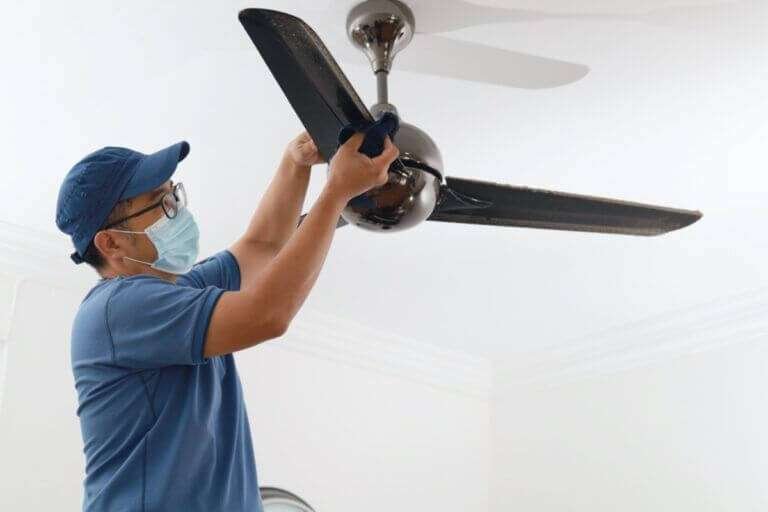
Ceiling fans are a practical way to improve air circulation and comfort in Singapore homes and workplaces. However, like other electrical appliances, ceiling fans can develop problems over time.
A fan that makes unusual noises, wobbles excessively, runs slowly or refuses to start may require inspection or repair. Ignoring these warning signs can lead to further damage and, in some cases, create safety risks.
In this guide, AVV Electrical explains common ceiling fan problems, their possible causes and when to seek professional ceiling fan repair in Singapore.
One of the most common problems is a ceiling fan that does not turn on when you operate the switch or remote control.
Possible causes include:
A faulty wall switch or remote control.
A problem with the power supply.
Damaged wiring or electrical connections.
A defective capacitor or motor component.
What should you do?
Check whether the remote control batteries need replacing, if applicable. If the fan still does not operate, avoid opening the fan housing or attempting electrical repairs yourself.
A qualified electrician can inspect the electrical connections and fan components to identify the problem.
A ceiling fan that produces clicking, humming, grinding or rattling sounds may have a mechanical or electrical issue.
Possible causes include loose external components, worn bearings, an unbalanced fan or a motor problem.
What should you do?
Switch off the fan if the noise is unusual or persistent. If you notice burning smells, sparks or excessive heat, stop using it and seek professional assistance.
An electrician can determine whether the fan needs adjustment, component replacement or a more extensive repair.
Some slight movement may occur during operation, but excessive wobbling should not be ignored.
Common causes include:
Unbalanced fan blades.
Loose blade attachments.
Incorrect installation.
A damaged mounting bracket or support.
Bent or damaged fan blades.
What should you do?
Turn off the fan and allow it to stop completely. Do not attempt to tighten components while the fan is operating or climb to inspect an unstable installation.
If the fan continues to wobble, arrange a professional inspection to check the mounting and installation.
A ceiling fan that rotates more slowly than usual may not circulate air effectively.
Possible reasons include a faulty capacitor, worn motor components, an incorrect speed setting or an electrical issue.
Dust accumulation may also affect the fan's condition, although it is not necessarily the cause of every slow-running fan.
What should you do?
Check the speed setting and remote control, if applicable. If the fan continues to run slowly despite the correct settings, have it inspected by a professional electrician.
Avoid replacing internal electrical components without the appropriate knowledge and qualifications.
A ceiling fan that stops and starts unexpectedly may have an intermittent power supply, a faulty switch, a defective control unit or a motor-related issue.
Repeated interruptions should not be treated as normal operation.
What should you do?
Stop using the fan if you notice overheating, a burning smell or other signs of electrical damage. Contact a qualified electrician to inspect the fan and its electrical supply.
Modern ceiling fans often use remote controls to adjust speed, switch the fan on or off, and control additional functions.
If the remote stops working, possible causes include depleted batteries, pairing issues, a faulty receiver or a defective remote control.
What should you do?
Replace the batteries if needed and follow the manufacturer's instructions for pairing the remote. If the fan still does not respond, professional troubleshooting may be necessary.
Do not open the receiver or handle internal wiring unless you are appropriately qualified.
The right choice depends on the fan's age, condition, type of fault and repair cost.
Repair may be suitable when:
The issue involves a replaceable component.
The fan is otherwise in good condition.
The mounting and wiring are safe.
The repair is practical and cost-effective.
Replacement may be worth considering when:
The motor has sustained significant damage.
The fan has recurring faults.
Replacement parts are difficult to obtain.
The existing fan is unsuitable for the space or installation.
A professional inspection can help you make an informed decision.
Correct installation is important for safe and reliable fan operation.
A professional installer can assess the mounting arrangement, check the electrical connections, confirm that the fan is securely supported and verify its operation after installation.
This is particularly important when installing a new fan, replacing an existing unit or addressing recurring wobbling and electrical problems.
For electrical work in Singapore, engage an appropriately EMA-licensed electrical contractor where required.
AVV Electrical provides ceiling fan installation and repair services for residential and commercial properties in Singapore.
Whether your fan is not starting, making unusual noises, wobbling or experiencing other operating problems, professional troubleshooting can help identify the cause and determine the appropriate solution.
Our electrical services are intended to help customers address fan-related issues and maintain reliable operation.
If you need assistance with a faulty ceiling fan or want to install a new one, contact AVV Electrical to discuss your requirements.
Unusual noises may result from loose components, worn bearings, an unbalanced fan or a motor-related fault. Persistent noises should be professionally inspected.
Wobbling may be caused by unbalanced blades, loose attachments, incorrect installation or an insecure mounting arrangement. Stop using a severely wobbling fan and arrange an inspection.
Yes. Many ceiling fan problems can be repaired, depending on the condition of the motor, available replacement parts and the type of fault.
Warning signs may include persistent humming, overheating, unusual smells, slow operation or failure to start. These symptoms can have several causes, so professional diagnosis is recommended.
AVV Electrical offers ceiling fan installation and repair services in Singapore. Contact the team to discuss your fan problem and arrange assistance.
Having trouble with a ceiling fan at home or in your workplace?
Get in touch with AVV Electrical for ceiling fan installation, repair and electrical troubleshooting services in Singapore.
Call / WhatsApp: +65 8161 4519
Website: https://avvelectrical.com/
EMA Licence No.: 8/35550
Choose professional assistance to help keep your electrical appliances operating safely and reliably.
We are a reputable electrical services company based in Singapore, specializing in providing reliable and efficient emergency electrician services. Our team of certified electricians has years of experience in handling all types of electrical emergencies, ensuring that our clients receive prompt and effective solutions to their problems.
2026 AVV Electricals, All Rights Reserved.
We are a reputable electrical services company based in Singapore, specializing in providing reliable and efficient emergency electrician services. Our team of certified electricians has years of experience in handling all types of electrical emergencies, ensuring that our clients receive prompt and effective solutions to their problems.
Our Services

Singapore’s trusted EMA-licensed electrician — serving HDB, condo, landed & commercial properties 24/7.