

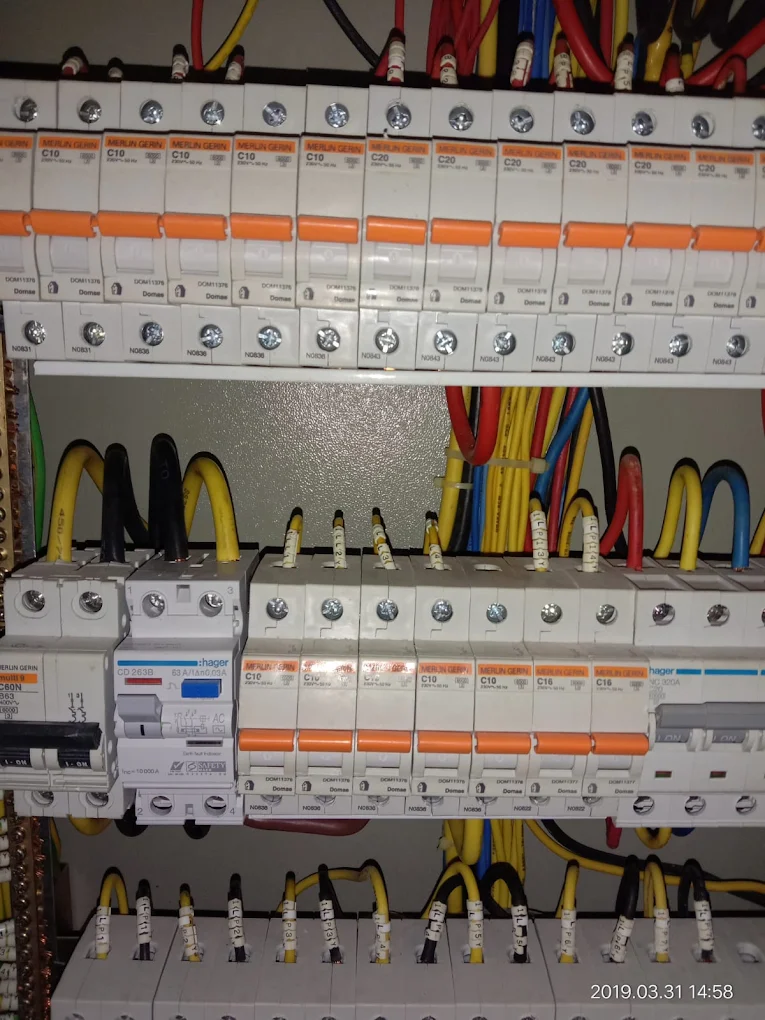
A circuit breaker that keeps tripping can be frustrating, especially when it interrupts your daily activities. Whether you live in an HDB flat, condominium or landed property in Singapore, repeated power trips should never be ignored.
Circuit breakers are essential safety devices designed to interrupt electricity when they detect certain electrical faults or unsafe conditions. However, if your circuit breaker trips frequently, it may indicate an overloaded circuit, a faulty appliance, damaged wiring or another electrical problem.
Understanding the possible causes can help you take the right precautions and determine when to contact a licensed electrician.
A circuit breaker is a protective device that automatically cuts off the electrical supply when it detects conditions such as excessive current or a fault.
Depending on the type of protective device and the fault, it may trip because of an overloaded circuit, a short circuit or an earth leakage issue.
Although an occasional trip may occur when a circuit is overloaded, repeated tripping is a warning that the underlying cause needs attention.
Connecting several high-power appliances to the same circuit can cause the electrical load to exceed its safe capacity.
Common examples include using an electric kettle, microwave, washing machine or other high-power appliances simultaneously on an overloaded circuit.
What you can do: If there are no signs of damage, smoke, unusual heat or burning smells, switch off and unplug non-essential appliances where safe. Avoid repeatedly resetting the breaker. If the problem continues, contact a qualified electrician.
An appliance with damaged internal components, a defective power cord or an electrical fault can cause a circuit breaker to trip.
If the problem appears whenever a particular appliance is switched on, the appliance may need professional inspection.
What you can do: Stop using the suspected appliance. Do not touch damaged plugs or exposed wires. Arrange an inspection if you are unsure whether the appliance or the electrical circuit is responsible.
A short circuit occurs when electrical current takes an unintended path because of a fault, potentially resulting in excessive current and heat.
Damaged insulation, faulty wiring and defective electrical equipment can contribute to short circuits.
What you can do: Do not attempt to repair wiring yourself. Leave the affected circuit switched off if it is safe to do so and contact an EMA-licensed electrical contractor.
Earth leakage occurs when electrical current escapes from its intended path. Protective devices such as residual current circuit breakers may disconnect the supply to reduce the risk of electric shock.
Moisture, damaged insulation and faulty appliances can contribute to earth leakage.
What you can do: Do not touch wet electrical equipment or attempt to investigate exposed wiring. Keep away from the affected area and seek professional assistance.
Older wiring, deteriorated insulation, loose connections and damaged electrical components can cause recurring faults.
If your home experiences frequent power trips, flickering lights, unusual electrical smells or warm switches, arrange a professional inspection rather than assuming the circuit breaker itself is faulty.
If your circuit breaker trips, follow these precautions:
Check for immediate danger. If you notice smoke, sparks, a burning smell or unusual heat, stay away from the affected equipment and seek urgent professional assistance.
Avoid repeated resets. Do not keep switching the breaker back on when it trips repeatedly.
Do not open the distribution board. Internal electrical components should only be inspected by a suitably qualified professional.
Avoid DIY wiring repairs. Never touch exposed wires, damaged sockets or electrical equipment in wet conditions.
Contact a licensed electrician. A professional can investigate the cause and recommend the appropriate repair.
If there is smoke or a fire, move to safety and contact the Singapore emergency services when necessary.
You should arrange professional electrical troubleshooting if:
Your circuit breaker trips repeatedly.
The power goes off whenever you use a particular appliance.
Your lights flicker or dim unexpectedly.
You notice burning smells, buzzing sounds or sparks.
Your switches, sockets or distribution board become unusually warm.
Your home experiences unexplained power failures.
Burning smells, sparks, smoke and signs of overheating require particular attention. Do not wait for the problem to happen again before seeking help.
Resetting a circuit breaker may restore power temporarily, but it does not necessarily resolve the underlying fault.
A professional electrician can inspect the affected circuit, assess the electrical load, test relevant protective devices and identify damaged components or wiring problems.
Correct diagnosis helps address the cause rather than repeatedly treating the symptoms. It can also help reduce the risk of further electrical damage and unsafe operating conditions.
For homes in Singapore, choose an appropriately EMA-licensed electrical contractor for electrical work that requires licensing.
AVV Electrical provides electrical troubleshooting and repair services for residential and commercial properties across Singapore, including HDB flats, condominiums and landed homes.
Our services include investigating recurring power trips, electrical faults, circuit breaker problems and other electrical issues. We aim to identify the cause and recommend a suitable solution based on the condition of your electrical system.
For electrical assistance, contact AVV Electrical to discuss your requirements and arrange a professional assessment.
Repeated tripping can be caused by overloaded circuits, faulty appliances, short circuits, earth leakage or damaged wiring. A qualified electrician can determine the cause.
No. Repeatedly resetting a breaker without identifying the cause can be dangerous. If it trips again, stop resetting it and arrange a professional inspection.
Yes. A defective appliance, damaged power cord or internal electrical fault may cause a protective device to disconnect the supply.
Replacement may be necessary if the breaker is damaged, defective or unsuitable for the electrical installation. A licensed electrician should inspect the system and determine whether replacement is appropriate.
Contact an appropriately EMA-licensed electrical contractor for professional troubleshooting and repair. AVV Electrical offers electrical troubleshooting services for residential and commercial properties in Singapore.
Experiencing repeated power trips or electrical problems at home or work? Do not ignore the warning signs.
Contact AVV Electrical for professional electrical troubleshooting and repair services in Singapore.
Call / WhatsApp: +65 8161 4519
Website: https://avvelectrical.com/
Service area: Singapore
EMA Licence No.: 8/35550
Choose professional electrical assistance to help keep your home and workplace safe.
We are a reputable electrical services company based in Singapore, specializing in providing reliable and efficient emergency electrician services. Our team of certified electricians has years of experience in handling all types of electrical emergencies, ensuring that our clients receive prompt and effective solutions to their problems.
2026 AVV Electricals, All Rights Reserved.
We are a reputable electrical services company based in Singapore, specializing in providing reliable and efficient emergency electrician services. Our team of certified electricians has years of experience in handling all types of electrical emergencies, ensuring that our clients receive prompt and effective solutions to their problems.
Our Services

Singapore’s trusted EMA-licensed electrician — serving HDB, condo, landed & commercial properties 24/7.